On the way home I found.., bargains, quick knits
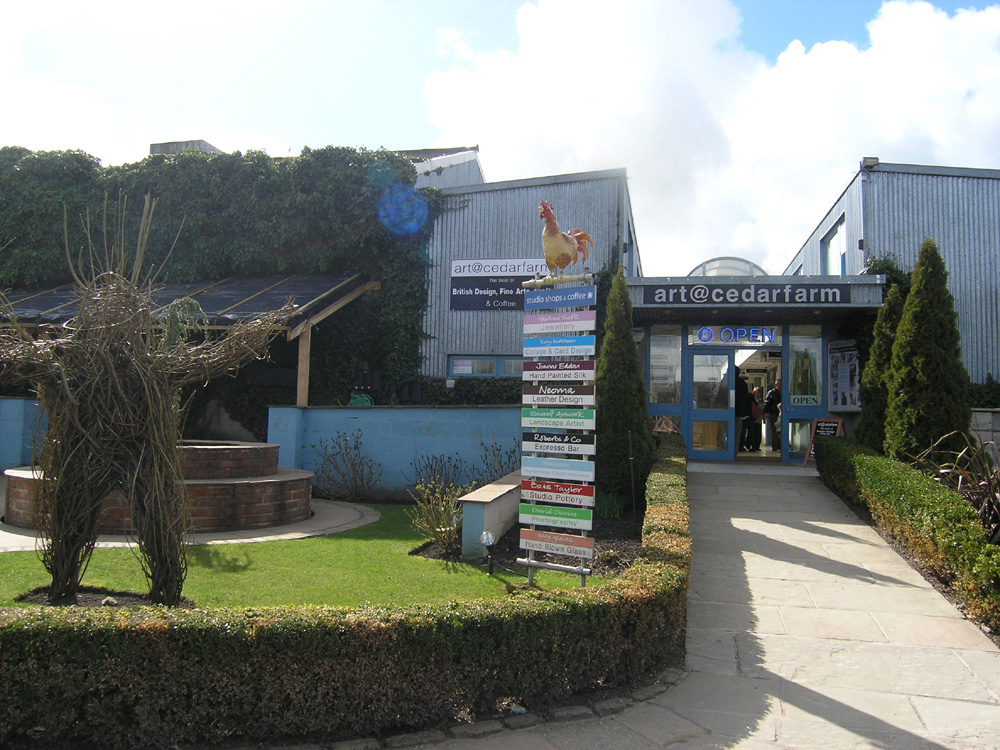 An English medieval tradition for Easter- Hot Cross Buns like in the rhyme (tune is in the link and history)
St Albans Cathedral are going to make some according to the original recipe.
Hot cross buns! Hot cross buns!
one a penny, two a penny
hot cross buns
If you have no daughters then give them to your sons,
one a penny, two a penny
hot cross buns.
With them are my fav biscuits- jam ring sandwiches.
 Sweet chilli nachos on a bed of fresh made salsa with jalepeno peppers, topped in herbs and cheese and served with sour cream.
Instant fodder for the hoards. 🙂 I went to the charity shops recently and found this gorgeous dotty flower pot for the kitchen. I think it goes so well with the quilt Jackie made me in the Time for Tea Swap.
 My other charity shop hauls lately have been a still boxed set of fish shaped chop stick rests and snail shaped napkin rings, 8 soup/rice spoons
 And a huge rice bowl. See how the light shines through highlighting the rice grains in the pottery. I think they are a symbol of prosperity.
 Here is the gorgeous dragon in the bottom of the bowl. I like dragons. 🙂
 After I finished the minor alteration on daughter’s prom dress yesterday, she told me about her biology teacher going on maternity leave the following day and they were getting things together for her. Eeeek!
 I picked up my needles and hurriedly rushed these off the needles grunting at the family for more coffee. It was late when I finished the hat. Bravely I finished the edge in double crochet…at least I think that’s what I did- I didn’t check in a book. Anyway what I did was consistant, so it looks alright. They are done in moss stitch/seed stitch, rib under the bootie turn ups, and stocking stitch. There was no time for the gorgeous 1930s inspired coat which goes with this set unfortunately.
 On the way home from Speke Hall on Saturday, we stopped at some ruins in Lydiate. It is next to a historical thatched roof pub called The Scotch Piper.
 The sign for them was very battered: St Catherine’s Chapel. The pic below is from the same South side as the outline on the sign.
 It was built by the Ireland family who were lords of the Manor of Lydiate (Lydiate Hall) from 1410-1683, around the year 1500 as a private catholic chapel. In 1550s however as part of the Dissolution of the monestries it along with other catholic places of worship were destroyed. Land belonging to catholic people locally was seized by the crown and given to favoured non catholic favourites in the court. Some of the Norris girls from Speke Hall married into Lydiate Hall in Tudor times, so I think the catholics were very close to one another even if the distances were several miles.
 There are some Victorians buried here, and there are stories of jesuit priests being buried here secretly in times of persecution.
 You get an idea of what the windows would’ve looked like- perpendicular style with stained glass.
 Doorway and porch. There is a C19th description of a stone above this with the initials L I and C I but it is long lost. Usually someone needed something for a rockery in their garden. The LI is for Laurence Ireland. his wife was Catherine who came from the Blundell family. Remember their name from the nearby Halsall village? If they were catholic too, it could explain why as late as the 1600s the old service was continuing on in Halsall instead of changing to the new sort with royal approval.
 There would’ve been pinacles at each corner of this castellated tower on the West of the ruin.
 Archway to the tower
 From the outside
 The North wall has no windows at all which is curious as it is unusual. Was the wind that bad? Had they fallen out with the stained glass window maker? Did the mason’s make a mistake? Weird! I wonder if they planned for a separate side chapel perhaps to a specific saint, but this didn’t get started because of the dissolution.


 Looking up the tower.
 Window details from the inside.
 This east facing window would’ve been behind the altar. Some alabastor panels showing the life of St Catherine were found in the C19th in Lydiate Hall, and are presumed to have been rescued by the family from here centuries earlier. They would have kept them well hidden.
 You can see the apex line of the original roof. This too would’ve been castellated based on an early C19th sketch. Most of the damage has occured in the last century.
There is a local legend of a tunnel between Lydiate Hall and here, as they were owned by the same family. The notches for ironwork for the door.
 A last look at the east side before reminding myself that in spite of the cold wind it really is Spring.
 Daffodils!
 For those who wish to accompany a walking party of 1852 from Southport click on this link. They were disappointed at it’s size as it had been mis-described as an abbey for years.
Can any of you guess what building I hunted down on Sunday? -next time. 🙂
Posted in Uncategorized by House Elf with 20 comments.
Prom Dress, Birthday Trip 3/3
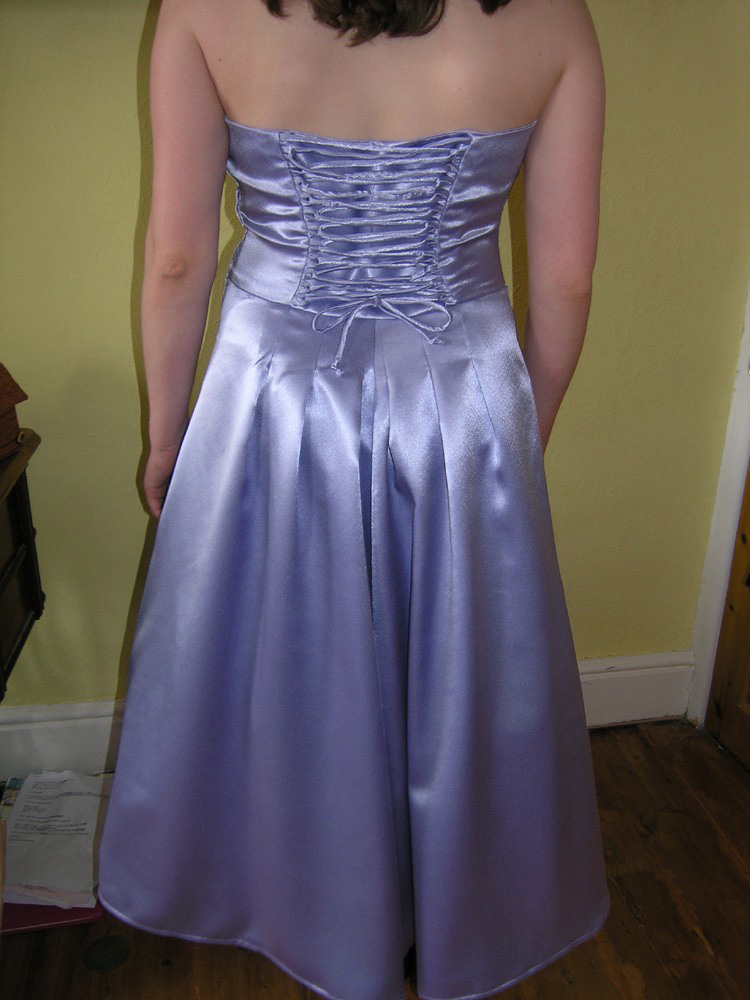 Daughter’s prom dress is finally done. Since these pics were taken I did a little adjustment to the top of the front.
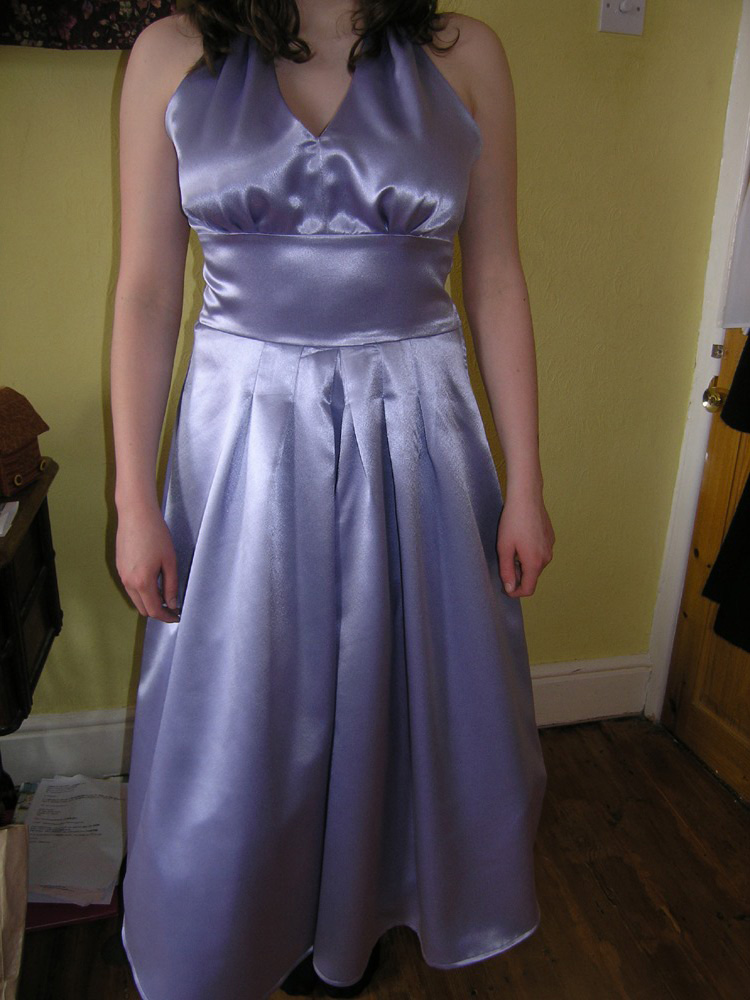 Big big tick off my list. A lot was new to me with it like boning in the bodice and wrestling anaconda style with lengths of netting. No don’t picture it…
 Ok we’ve finished the courtyard in the centre of the Hall. I’ll go clockwise round the outside now.
 Lenten Rose (Helleborus) -so called because it flowers during Lent.
 The South Range
 Wooden frame on a plinth of sandstone. Glass was expensive and could only be made in small panes not like the sheet glass of today, so these were used together in H shaped “lead cames”.
 Some of the Tudor glass was collected and made into panels like thise by the Victorian occupants of the Hall.
 Blossom
 South Range. The Blue Drawing Room is the window to the right of the stone arch.
 William Morris’ “Willow” wall paperof 1874 is on the walls. The tenant Mr Leyland was a keen Arts and Crafts fan, and he put in the fireplace inspired by that.
 This door leads to a passage with a door on the other side into the courtyard with the 2 yew trees.
 The arch looking away from the Hall.
 Edward Norris 1605 and his wife Margaret Norris he died in 1606, s he was adding bits and tinkering with the house right up until then. I wonder how his wife felt about it?
 A mixture of Classical Greek styles of architecture.
 The other half of the South Range overlooks the rose garden. Sadly it is too early in the season to see the roses in bloom.
 Have a closer look.
 These initials are different- WN was Edward and Margaret’s son William. He married Eleanor Molyneux (a name still found in this area). I’m guessing this plaque commemorated their wedding in 1612.
 South gardens

 I think this is a vibernum.
 This South West corner houses the Great Parlour. The bay window you see peeping between chimney breasts is in the below postcard on the left.
 The ceiling is incredibly ornate! The wooden fireplace surround was all carved with figures of the Norris family tree, right the way to the ceiling. The table in the bay was all set out ready for afternoon tea complete with cakes when we went around.
 Looking back along the path.
 The blossom looked good against the black on the West Range. This was the part of the house which was in a very bad state- almost ruinious in the 1840s.
 The tree is growing sideways in the bank.
 Mahonia is flowering.
 Escalonia in flower.
 West Range. The Library is just to the left of the left fireplace.
 The saying above the fireplace is just one of many painted around the Hall. This one says “A friend loveth at all times”.
 North West corner showing the North Range
 The mahonia looks so pretty in front of the house.
 Looking up.
 The attics were traditionally where servants slept, where as guests and owners had the proper upstairs rooms. Even downstairs servants had separate areas- they were mainly in the East Range working. I couldn’t show the original East Range as more buildings have been added on that side.
 The bridge to the front door.
 These steps are to the right leading up to
 this doorway on the bridge.
 But we go under the bridge and make our way to the car.
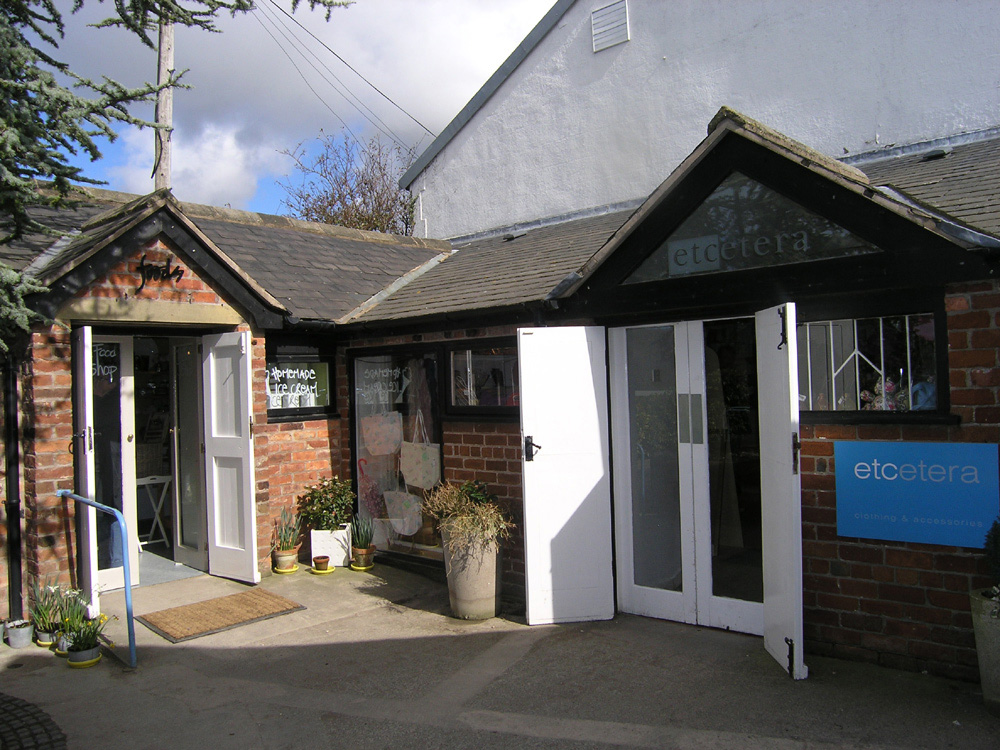 Goodbye Speke Hall. Next time I will share my adventure on the way home. I am glad so many of you shared this tour. If you are in the area it is well worth going as you get a much better sense of the atmosphere and history than I can convey.
Posted in Uncategorized by House Elf with 16 comments.